Is It a Curse to Become a Teacher in Ghana?
To ask whether it is a curse to become a teacher in Ghana may sound harsh, but for many educators living through daily hardship, it feels like a painfully honest question. Across the country, thousands of teachers dedicate their lives to shaping the future of children, yet they are often rewarded with frustration, neglect, and unbearable working conditions. The profession that should command honour has, for many, become a symbol of sacrifice without support.
Teaching is one of the most important professions in any society. Every doctor, lawyer, engineer, journalist, nurse, and politician once sat before a teacher. Yet in Ghana, teachers are too often treated as if their contribution is secondary. The nation praises teachers publicly on ceremonial days, but in practical terms, many are left to struggle alone.
One of the greatest concerns is the poor conditions of service. Teachers work tirelessly but receive salaries that barely match the rising cost of living. For many, monthly income disappears into rent, transport, food, and family responsibilities before the middle of the month. After years of training and service, many teachers still cannot afford a decent standard of living.
Worse still, allowances remain painfully limited. In many cases, the ordinary teacher relies mainly on basic salary and retention premium. For a profession that demands emotional labour, long hours, lesson preparation, marking, discipline management, and community responsibility, this is simply not enough. Teachers are expected to do more while receiving less.
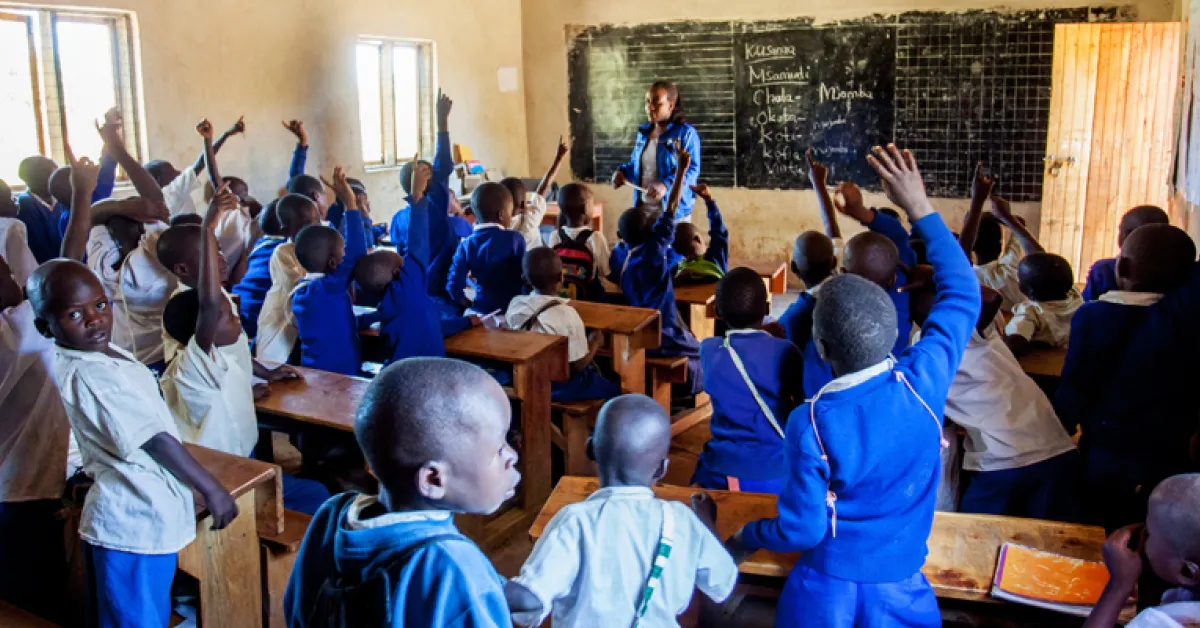
The state of infrastructure in many schools is another national disgrace. Across rural and urban communities alike, teachers work in classrooms with broken floors, leaking roofs, overcrowded spaces, cracked walls, and poor ventilation. Some schools still use old desks, damaged furniture, or have children sitting on the floor. In such environments, both teaching and learning suffer.
Accommodation remains another major burden. Many teachers posted to remote communities receive no staff housing. They are forced to rent far from school or live in difficult conditions just to remain at post. Some wake up before dawn and travel long distances on bad roads simply to reach classrooms on time. How can a country demand excellence from teachers while denying them basic dignity?
Teaching and learning materials are also lacking in many schools. In numerous communities, teachers do not have enough textbooks, charts, laboratory tools, ICT resources, or even chalk and markers. Instead of being supported, they are often told to improvise. Improvisation can be a useful skill, but it should not become a permanent substitute for government responsibility.
Perhaps one of the most painful realities is unemployment after training. Graduates from Colleges of Education and universities complete their studies with hope, only to spend months or years waiting for recruitment into the Ghana Education Service. Some become overaged in unemployment, others drift into unrelated jobs, while some lose motivation entirely. A country that needs quality education should not allow trained teachers to sit idle.
Promotion delays, transfer frustrations, bureaucratic bottlenecks, and inconsistent policy decisions add to the burden. Teachers often feel unheard in decisions that directly affect their profession. Many are expected to deliver miracles under systems that provide minimal support.
So, is it a curse to become a teacher in Ghana? No. Teaching itself is not a curse. It is a noble calling and one of the highest forms of national service. The real curse is the neglect of teachers by systems that depend on them. The curse is asking professionals to build a nation while denying them fair pay, decent housing, modern classrooms, resources, and respect.
If Ghana is serious about development, then the teacher must move from the margins to the centre of national planning. Better salaries, improved allowances, staff accommodation, modern infrastructure, timely recruitment, teaching materials, and career progression must become priorities, not promises.
A nation that suffers its teachers to suffer is quietly sabotaging its own future.
By Mileba Godwin Kwame, President CREP Africa
0 Comments
Leave a Comment
No comments yet. Be the first to share your thoughts!