Making Inclusion Work in Ghana’s Classrooms
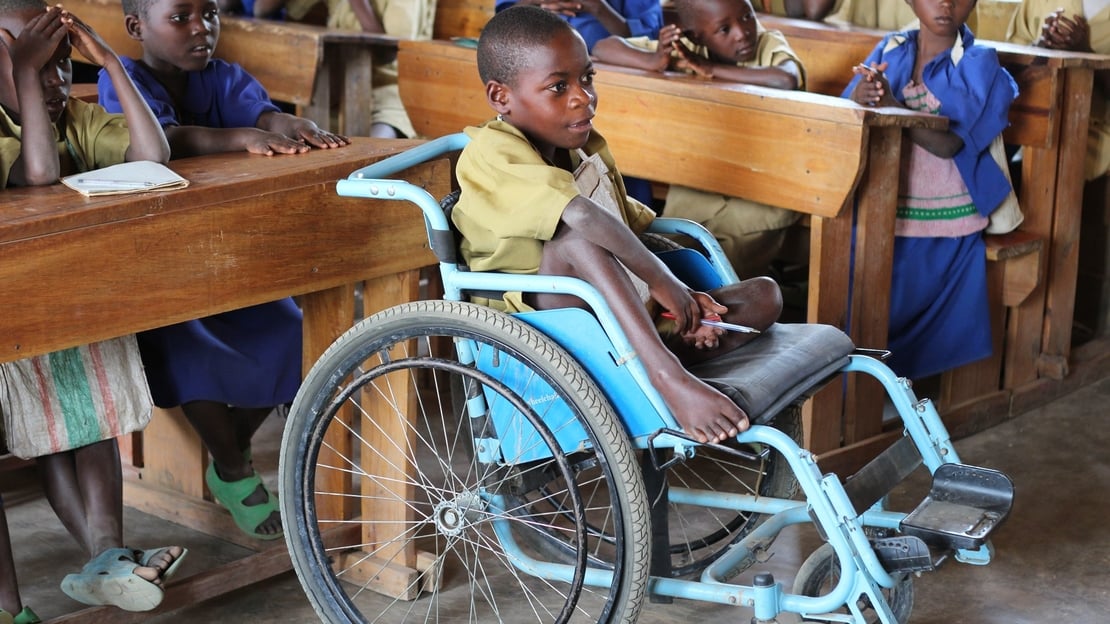
Inclusive education has become a defining pillar of global and national education reform, grounded in the principle that every child, regardless of ability, background, or circumstance, has the right to access quality education within a supportive learning environment. In Ghana, this commitment is reflected in national policies and international obligations that seek to promote equity, access, and participation for learners with special educational needs. However, the effectiveness of inclusive education ultimately depends not on policy documents alone, but on the capacity of teachers and school leaders to translate these commitments into daily classroom practice.
CREP Africa’s focus on professional development recognizes that teachers and administrators are the central agents of inclusive education. Their perspectives, experiences, and challenges provide invaluable insights into what works, what does not, and what is required to make inclusion meaningful and sustainable in Ghanaian schools. This article examines inclusive education within the Ghanaian context, highlights systemic and classroom level challenges, and proposes practical solutions rooted in the lived realities of educators.
Inclusive Education in the Ghanaian Context
Ghana has made significant strides in articulating a vision for inclusive education through frameworks such as the Inclusive Education Policy and the Education Strategic Plan. These policies align with international instruments including the United Nations Convention on the Rights of Persons with Disabilities and the Sustainable Development Goals, particularly the goal of ensuring inclusive and equitable quality education for all.
Despite this progress, implementation remains inconsistent. Many schools continue to face structural constraints including large class sizes, limited instructional materials, inadequate infrastructure, and insufficient specialist support. In both urban and rural settings teachers often manage classrooms with diverse learning needs without access to resource teachers, educational psychologists, or assistive devices. These conditions place significant pressure on educators and can limit the effectiveness of inclusive practices.
Teacher preparation is another critical concern. A substantial number of in service teachers were trained under curricula that placed limited emphasis on inclusive pedagogy or special educational needs. Consequently, many teachers lack confidence in adapting instruction, assessing diverse learners, and managing inclusive classrooms. In service training opportunities related to inclusion are often short term, theoretical, or disconnected from classroom realities, reducing their long term impact.
School leadership further shapes inclusive education outcomes. Headteachers and administrators are responsible for instructional supervision, staff development, and school improvement planning, yet many report limited training in inclusive leadership. Without deliberate administrative support inclusive education risks being treated as an additional obligation rather than an integral component of effective schooling.
Cultural perceptions of disability also influence inclusion in Ghana. In some communities stigma and misconceptions persist, affecting parental engagement and learner participation. Teachers and administrators frequently navigate these social dynamics while attempting to foster acceptance and belonging within schools.
Making Inclusion Work in Ghana’s Classrooms
Making inclusive education work in Ghana’s classrooms requires moving from policy intent to deliberate action. Inclusion must be practical, achievable, and responsive to the realities educators face daily. Ghanaian classrooms are often characterized by large enrolments, linguistic diversity, and uneven resource distribution. Under these conditions inclusive education cannot rely on resource intensive models imported from different contexts.
Teachers require practical strategies that allow them to differentiate instruction, manage diverse learning needs, and assess learners fairly within existing constraints. Professional development must therefore prioritize classroom ready approaches that emphasize adaptability, creativity, and effective use of available resources.
School leadership plays an equally critical role. Inclusive classrooms thrive in schools where administrators promote collaboration, support innovation, and integrate inclusion into school culture and planning. Leadership that values diversity and supports teachers through supervision and mentoring strengthens the consistency and sustainability of inclusive practices.
Community engagement is also essential. Inclusion extends beyond the classroom into families and communities. Teachers and administrators often act as advocates for inclusive education, working to build understanding and acceptance among parents and community members.
The Role of Professional Development
Professional development serves as a strategic entry point for strengthening inclusive education in Ghana. When training programs are designed without considering the experiences of teachers and administrators they risk being disconnected from practice. Conversely, professional development that incorporates practitioner perspectives is more relevant, practical, and impactful.
By involving educators in identifying challenges and shaping training content, professional development promotes ownership and accountability. It acknowledges that inclusion is not a one size fits all process and that effective strategies must reflect contextual differences across schools and districts.
CREP Africa’s approach emphasizes professional development that is continuous, collaborative, and embedded within school practice rather than isolated workshops.
Practical Solutions for Strengthening Inclusive Education
To translate inclusive education from commitment to action, CREP Africa proposes the following practical and context responsive solutions.
School Based Continuous Professional Development
Inclusive education training should be integrated into regular school based professional development activities. Peer learning sessions, mentoring, and coaching within schools and circuits allow teachers to reflect on practice, share strategies, and receive ongoing support. This approach enhances sustainability and relevance.
Practical Inclusive Pedagogy for Teachers
Training should focus on hands on strategies such as differentiated instruction, flexible grouping, behavior support, and formative assessment. Teachers should be equipped to identify learning difficulties early and respond through instructional adaptation rather than exclusion or over referral.
Strengthening Inclusive School Leadership
Targeted leadership training is essential for headteachers and administrators. Such training should emphasize inclusive school planning, instructional supervision, and teacher support. Administrators must be empowered to integrate inclusion into school improvement plans and performance monitoring.
Low Cost and Locally Adapted Resources
Given resource constraints, emphasis should be placed on low cost assistive and instructional materials. Teachers can be trained to create visual aids, tactile materials, and adapted worksheets using locally available resources. District level sharing of materials and best practices can further support schools.
School Based Inclusion Support Teams
Establishing inclusion support teams within schools encourages collaborative problem solving. These teams can coordinate learner support, monitor progress, and engage parents and community stakeholders, reducing the burden on individual teachers.
Community and Parental Engagement
Deliberate efforts are needed to address stigma and misconceptions surrounding disability. Schools should engage parents and communities through sensitization programs, workshops, and dialogue to promote acceptance and shared responsibility for learner success.
Strengthening Pre Service Teacher Education
Inclusive education must be strengthened within teacher training institutions. Curricula should emphasize practical classroom application and supervised teaching experiences focused on inclusion to ensure new teachers enter the profession prepared.
Improved Monitoring and Support
Education authorities should integrate inclusive education indicators into supervision and support frameworks. Monitoring should emphasize guidance and improvement rather than compliance, ensuring alignment between policy and classroom practice.
Inclusive education in Ghana is both a moral imperative and a practical challenge. While policy frameworks provide a strong foundation, sustainable inclusion depends on empowered teachers, supportive leadership, and context responsive professional development. By incorporating the perspectives of teachers and administrators and proposing practical solutions grounded in Ghanaian realities, CREP Africa offers a pathway for transforming inclusive education from policy aspiration into meaningful classroom practice.
Through sustained professional development, collaborative leadership, and community engagement, Ghana can build an education system where every learner, including those with special needs, is supported to learn, participate, and succeed.
0 Comments
Leave a Comment
No comments yet. Be the first to share your thoughts!